

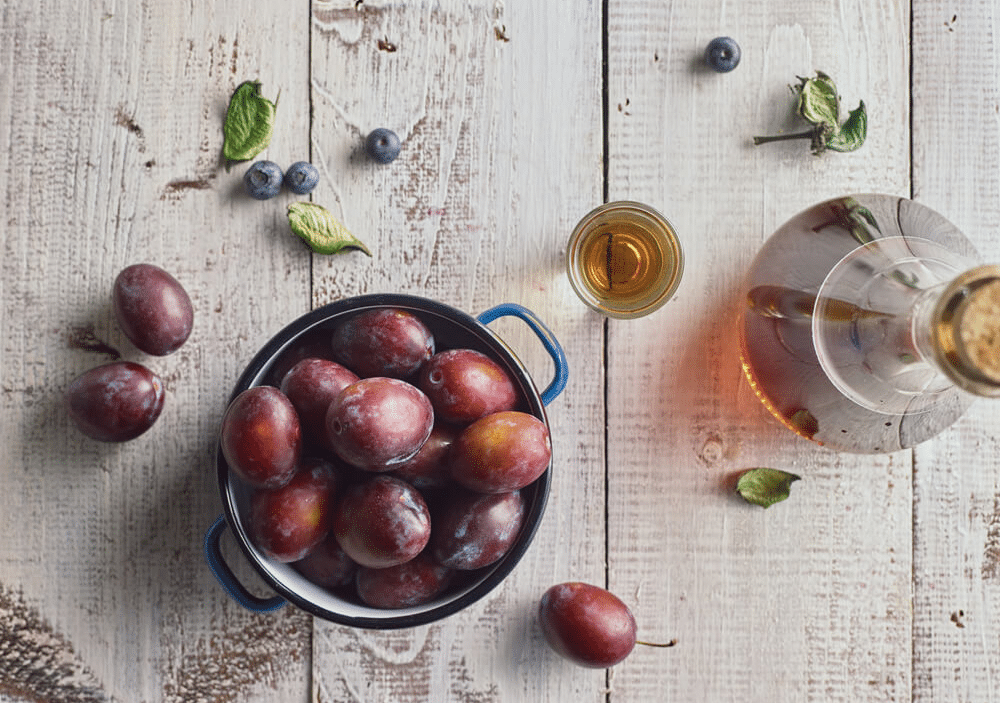
Homemade Rakija: The Spirit of Istria
In Istria, rakija is far more than a drink—it is a tradition poured into a small glass. Whether sipped in stone kitchens, served under fig trees, or offered as a first welcome to any guest, rakija carries the spirit of hospitality, memory, and craftsmanship passed quietly through generations.
From Orchard to Still
Rakija begins not in distilleries, but in orchards. Autumn brings harvests of figs, plums, apples, quince, grapes, herbs, and honey—each destined for fermentation before transformation. Fruits are crushed and left to ferment slowly, sugars converting into alcohol under careful watch.
When the time is right, copper stills are fired up in farm courtyards and garden sheds. The liquid drips slowly through cooling coils, turning into clear distillate that captures both flavor and aroma of the original fruit. These stills, often decades old, are treated almost like family heirlooms.
Distilling is never rushed. Careful heating prevents bitterness, while close attention ensures only the purest heart of the distillate is kept—the rest discarded without hesitation.
Flavors of the Land
Each rakija reflects the season that created it. Fig rakija carries mellow sweetness; plum delivers rich depth; grape versions express crisp clarity. Herbal rakijas infused with sage, rosemary, or wild rue provide complex aromas and slight medicinal tones. Honey rakija glows golden, softening the spirit’s edge into something warmly comforting.
No two households produce identical rakija. Each recipe is tuned by intuition rather than measurement—adjusted through experience, climate, and subtle family preference. Bottles are labeled loosely, if at all, often marked only by memory: “the good fig batch” or “last year’s honey.”
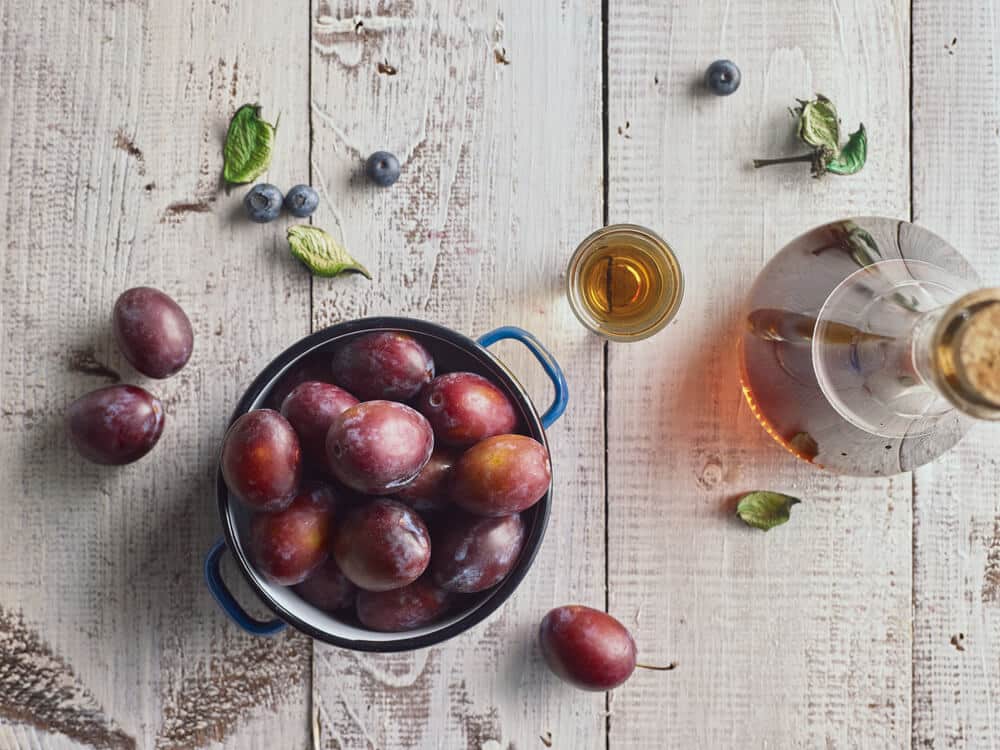
A Ritual of Welcome
Rakija always makes the first move. Offered before meals, at celebrations, or to unexpected visitors, it signals warmth and generosity. Refusing a first glass can even appear impolite—not as pressure, but because rakija represents welcome rather than indulgence.
Small glasses keep servings symbolic rather than excessive. One sip begins conversation; a second seals friendships.
Often served alongside dried figs, olive oil crackers, or simple sweets, rakija sets a relaxed, social tone long before plates reach the table.
Shared Moments
Distilling rakija is rarely solitary. Neighbors gather during distillation days—stoking fires, tasting early drips, sharing meals as the still keeps working through long evenings. These gatherings become spontaneous village festivals where stories flow as freely as the spirit itself.
Young family members often witness the process early, absorbing the rituals long before they legally partake. Knowledge transfers silently, blending technical skill with cultural continuity.
A Spirit That Connects Generations
Rakija remains a connective thread between generations—present at christenings and farewells, weddings and seasonal feasts. It bears witness to moments of joy and reflection alike.
In every glass lives a small portrait of Istria’s landscape: orchard, stone yard, copper flame, and family hands. Rakija is not defined by alcohol strength but by its power to invite connection—linking people to place, past, and shared tradition.
Further reading suggestions

9.12.2025
Seasonal Cuisine in Istria: What to Eat Month by Month
In Istria, cuisine follows the calendar of nature rather than printed menus. Each season reshapes the table entirely, offering flavors...

23.4.2025
Batana House Museum: Sailing into Rovinj’s Maritime Soul
In the heart of Rovinj’s old town, just a step from the sea, lies a small museum with a big...

12.4.2025
Adrenaline Park Medulin: A Tree-Top Adventure for the Whole Family
Just a short walk from the lively beaches of Medulin, nestled among tall pines, you'll find a hidden gem for...
